Buying your first home involves more than evaluating the number of bedrooms, the kitchen layout, or the neighborhood. You also need to understand the systems that keep the property comfortable, including its heating, ventilation, and air conditioning (HVAC) system.
An HVAC system can affect indoor comfort, energy use, humidity control, and future maintenance expenses. If you overlook its condition during the home-buying process, you could face unexpected repairs or replacement costs after moving in.
For first-time homebuyers in North Carolina, HVAC performance deserves particular attention because homes may need reliable cooling and humidity management during warm, humid summers, as well as heating during colder weather.
This guide explains what to check in a home’s HVAC system, which questions to ask before making an offer, and when to consider a specialist inspection.
What First-Time Home Buyers Should Know About a Home’s HVAC System?
1. Understand the Home’s Heating and Cooling System
Before evaluating an HVAC system, find out what type of equipment the home uses and how it serves the property.
Common residential systems include:
- Central air conditioning and a furnace: Separate equipment provides cooling and heating, often using shared ductwork.
- Heat pumps: These systems provide both heating and cooling by transferring heat rather than generating it through conventional combustion.
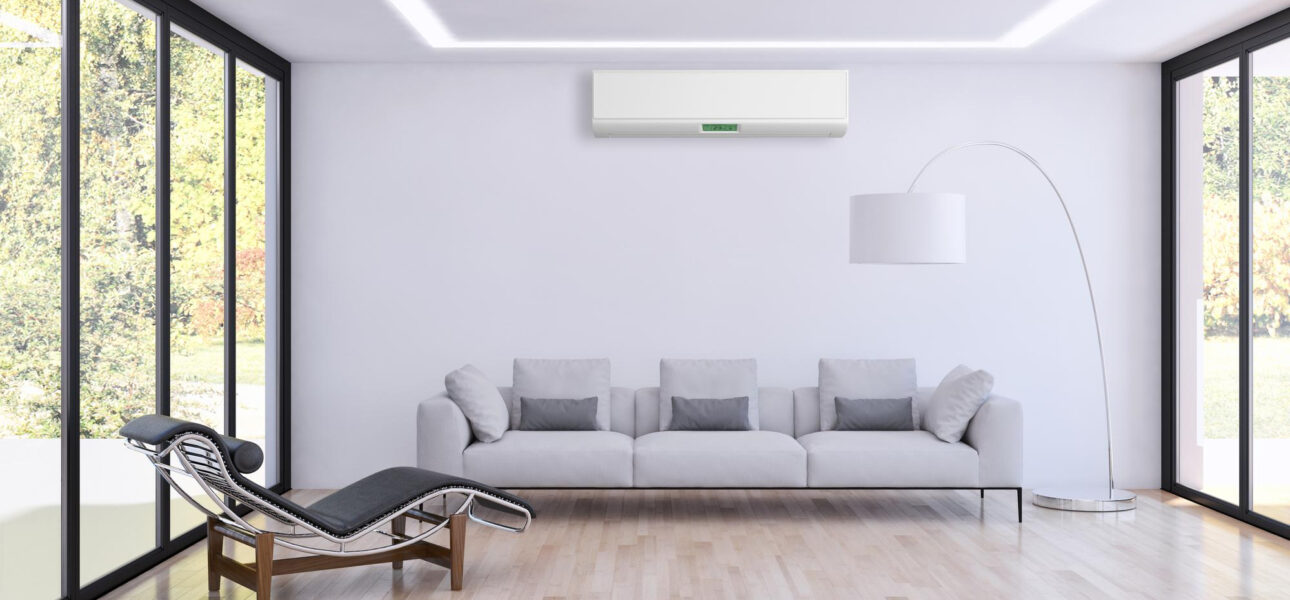
- Ductless mini-split systems: These systems can provide heating and cooling to individual rooms or zones without conventional ductwork.
- Packaged HVAC systems: Heating and cooling components are housed together in a single outdoor unit.
Each system has different installation requirements, operating characteristics, and maintenance needs. The best option depends on the home, its insulation, the local climate, and the equipment’s condition.
During a property viewing, ask the seller or listing representative what type of system is installed, which areas it serves, and whether any rooms have persistent heating or cooling issues.
If you are comparing homes, record the equipment type for each property. This will make it easier to compare maintenance history, operating costs, and potential future expenses.
2. Check the HVAC System’s Age and Maintenance History
An HVAC system’s age can help you understand whether repairs or replacement may be approaching, but age alone does not determine its remaining useful life.
Equipment lifespan varies depending on the type of system, installation quality, maintenance, climate, and frequency of use.
Ask for the installation date and any available service records. If the seller has maintained the equipment regularly, those records may help establish how well the system has been cared for.
Questions to ask include:
- When were the heating and cooling systems installed?
- Has the equipment received regular professional maintenance?
- Have there been any major repairs or recurring problems?
- Have any components been replaced?
- Are there existing service agreements or transferable warranties?
- Has the system experienced inconsistent temperatures or unusual operating noises?
If the equipment is older or its maintenance history is unavailable, consider obtaining an evaluation from a qualified HVAC professional.
A system that appears to work during a brief viewing may still have underlying issues. A professional evaluation can help identify concerns that are not obvious to a prospective buyer.
3. Review Energy Efficiency and Potential Operating Costs
An HVAC system’s efficiency can affect how much energy a household uses to heat and cool its home. However, equipment ratings alone do not determine the actual utility bill.
Energy consumption also depends on the home’s size, insulation, air leakage, ductwork, thermostat settings, local weather, and household habits.
When evaluating a property, look for equipment labels and documentation that identify its model, capacity, and applicable efficiency ratings.
Depending on the system, you may encounter:
- SEER2: A seasonal efficiency rating for air conditioning and heat pump cooling performance.
- HSPF2: A seasonal heating efficiency rating used for heat pumps.
- AFUE: A measure of how efficiently a furnace converts fuel into useful heat.
These ratings apply to different equipment types and should not be compared as if they measure the same thing. Minimum efficiency requirements can also vary by equipment category, location, and installation date.
Rather than relying on one rating, ask a qualified professional whether the equipment is appropriately sized, operating as intended, and suitable for the property.
You can also request recent utility bills from the seller, if available. Remember that previous bills reflect the former occupants’ habits and may not predict your future expenses.
4. Look for HVAC Warning Signs During a Home Viewing
You do not need to be an HVAC technician to notice signs that deserve further investigation.
During a viewing, pay attention to the general condition of the equipment and whether the home appears to maintain comfortable temperatures.
Potential warning signs include:
- Unusual grinding, rattling, or persistent banging noises.
- Weak airflow from multiple vents.
- Noticeable temperature differences between rooms.
- Visible corrosion or damage around equipment.
- Water stains or signs of moisture near the indoor unit.
- Unpleasant odors when the system operates.
- Missing or visibly neglected air filters.
- Damaged or disconnected-looking ductwork in accessible areas.
Some issues may have simple explanations, while others can indicate a more significant concern. A visual inspection alone cannot establish the cause or full extent of a problem.
Do not open electrical panels, remove equipment covers, handle refrigerant components, or attempt repairs during a viewing. Ask the appropriate professional to investigate concerns safely.
In North Carolina’s humid climate, moisture management is especially important. Persistent condensation, unexplained water near an indoor unit, or signs of mold should be assessed rather than dismissed as normal operation.
5. Understand the Importance of Proper HVAC Sizing and Airflow
A larger HVAC system is not automatically better.
Equipment that is improperly sized for a home may struggle to maintain consistent comfort and can operate inefficiently. In some circumstances, an oversized air conditioner may cool a space quickly without running long enough to remove sufficient humidity.
An undersized system may struggle to maintain the desired temperature during periods of extreme weather.
Proper sizing depends on factors such as:
- The home’s square footage and layout.
- Insulation levels and air leakage.
- Window size, orientation, and solar exposure.
- Ceiling height.
- Ductwork design and condition.
- Local climate and other property-specific factors.
Ask whether the equipment was selected using an appropriate load calculation rather than relying solely on the home’s square footage.
If you notice inconsistent temperatures, persistent humidity, or unusual operating patterns, a qualified HVAC professional can assess the system’s capacity, controls, airflow, and ductwork.
This is particularly useful when comparing older homes with newer construction, since equipment condition and building efficiency can differ substantially.
6. Ask About Warranties, Repairs, and Replacement Costs
A home may have an HVAC system that works today but could require repairs in the near future. Understanding the equipment’s condition can help you plan for potential expenses.
Ask the seller for available warranties, service invoices, equipment manuals, and records of previous repairs.
Before relying on a warranty, confirm:
- Whether it is still valid.
- Which parts and labor costs it covers.
- Whether registration or maintenance requirements apply.
- Whether the warranty can transfer to a new owner.
- Whether specific conditions or exclusions affect coverage.
Do not assume a warranty will cover every future repair. Manufacturer warranties, labor coverage, and service agreements may have different terms.
If an inspection identifies a significant HVAC concern, ask for a written assessment and repair or replacement estimate from a qualified professional.
You can then discuss the findings with your real estate professional and, where appropriate, negotiate a repair, credit, or other contractual solution with the seller.
The availability of these options depends on the contract, the seller’s willingness, and the circumstances of the transaction.
7. When Should You Arrange a Specialist HVAC Inspection?
A general home inspection can identify visible concerns and potential defects, but it may not include a comprehensive technical assessment of the HVAC system.
Consider a specialist evaluation if:
- The system is older or its age cannot be verified.
- The seller reports recurring repairs or performance issues.
- You notice moisture, unusual noises, or inconsistent airflow.
- The equipment appears damaged or poorly maintained.
- You are considering a home with multiple heating and cooling systems.
- The cost of a potential repair or replacement would significantly affect your budget.
Depending on the circumstances, an HVAC professional may evaluate equipment operation, temperature performance, accessible ductwork, drainage, controls, and other relevant components.
If a concern is identified, request a written report explaining the issue, its likely significance, and any recommended next steps.
Make sure you understand your purchase contract’s inspection deadlines and applicable due diligence requirements before arranging evaluations. If you are unsure how to proceed under a North Carolina contract, consult your real estate professional or closing attorney.
8. Questions First-Time Home Buyers Should Ask About HVAC
Use these questions to guide your conversation with the seller or listing representative:
- What are the installation dates of the heating and cooling equipment?
- Are maintenance records and recent service invoices available?
- Have any major repairs or component replacements been completed?
- Are there rooms that consistently feel too hot or too cold?
- Have there been any water leaks, drainage issues, or humidity concerns?
- Are warranties or service agreements available, and can they transfer?
- Has the system been evaluated recently by a qualified HVAC professional?
- Are there any known defects or recommended repairs?
You do not need every answer before deciding whether to continue considering a property. However, unanswered questions can help you identify where further investigation may be worthwhile.
Keep notes for each home you visit so you can compare the equipment’s age, visible condition, service history, and any follow-up evaluations required.
First-Time Home Buyer HVAC Checklist
Before finalizing a home purchase, use this checklist to keep your evaluation organized.
- Identify the type of heating and cooling system.
- Request installation dates and maintenance records.
- Review available equipment labels and efficiency information.
- Observe airflow and listen for unusual noises during the viewing.
- Look for visible moisture, corrosion, or equipment damage.
- Ask about recurring repairs and previous performance issues.
- Request available warranties and service documentation.
- Obtain a specialist assessment if significant concerns arise.
- Understand any relevant inspection deadlines in your purchase contract.
- Include potential repairs or replacement in your budget if necessary.
A checklist cannot replace a professional inspection, but it can help you ask better questions and avoid overlooking important details.
Make a More Informed Home-Buying Decision
Your home’s HVAC system may not be the first thing you notice during a viewing, but its condition can affect comfort, maintenance planning, and future expenses.
By reviewing maintenance records, checking visible warning signs, asking the right questions, and arranging a specialist evaluation when needed, you can better understand the property before committing to a purchase.
If you are planning to buy your first home in North Carolina, Mike Koman Realty can help you explore available properties and consider the features that matter to your household.
Start by browsing homes for sale in North Carolina or exploring North Carolina communities. If you are considering a home in the Charlotte area, you can also review Charlotte homes for sale.
Ready to explore your options? Visit Mike Koman Realty’s contact page to learn more about the team’s real estate services.
Frequently Asked Questions
1. What should a first-time home buyer check in an HVAC system?
Start by identifying the equipment type, installation date, maintenance history, and any available warranties. Look for visible damage, moisture, unusual noises, and inconsistent airflow. Arrange a specialist evaluation if the equipment’s condition raises concerns.
2. How long does a residential HVAC system last?
There is no guaranteed lifespan. Longevity depends on the equipment type, maintenance, installation quality, operating conditions, and climate. Ask for service records and have a qualified professional evaluate older equipment rather than relying on age alone.
3. Is a heat pump a good option for a North Carolina home?
A properly selected and installed heat pump can be suitable for many North Carolina homes because it provides both heating and cooling. Its performance depends on the equipment, the home’s design, installation quality, and the property’s heating and cooling requirements.
4. Should I replace an old HVAC system before buying a house?
Not automatically. An older system may still operate adequately, while a newer system can also have defects. Base your decision on its condition, expected maintenance, specialist recommendations, potential costs, and the terms you can negotiate with the seller.
5. Does a standard home inspection fully evaluate HVAC equipment?
Not necessarily. A general home inspection typically provides a visual and operational assessment within its defined scope. It may not include detailed diagnostics or specialized testing. Ask your inspector what is covered and whether an HVAC specialist is advisable.
6. Can HVAC problems affect my home-buying negotiations?
They may. A documented defect or significant expected repair can provide a basis for discussing repairs, credits, or other contractual terms with the seller. The outcome depends on the purchase agreement, applicable deadlines, and the parties’ willingness to negotiate.
Disclaimer: This article provides general educational information and is not a substitute for professional HVAC, inspection, financial, or legal advice. Equipment condition, efficiency, and repair needs vary by property. Consult qualified professionals before making decisions about a home’s heating and cooling systems.
Also Read: How to Buy a House in North Carolina